Discover Teaching Feelings Anya APK, an emotional simulation game focused on choice-driven storytelling, deep character development, and immersive psychological gameplay.
Teaching Feelings Anya APK – A Refined Look at an Emotional Simulation Game
In a gaming world dominated by action-packed titles and competitive multiplayer experiences, Teaching Feelings Anya takes a completely different direction. It focuses on emotional storytelling, slow-paced interaction, and the psychological connection between player and character. Rather than testing reflexes or strategy, the game challenges something far less common: your empathy and decision-making on a human level.
This rewritten and expanded version explores the game in depth, covering its concept, gameplay systems, narrative design, and the deeper themes that make it both compelling and controversial.
A Unique Concept Built on Emotional Interaction
At its core, Teaching Feelings Anya is not about traditional objectives like defeating enemies or completing missions. Instead, it is centered around building a relationship.
You take on the role of a caretaker who encounters a girl named Anya. She is not introduced as a typical game character with clear goals or strengths. Instead, she appears vulnerable, emotionally distant, and shaped by an unclear past. From the very beginning, the tone is quiet, almost uneasy, setting the stage for a deeply personal experience.
The main goal is simple on the surface: interact with Anya and help her recover. But the complexity lies in how you do it. Every action, every choice, and even inaction can influence how she responds and evolves.
Storytelling That Feels Personal
The narrative structure of the game is deliberately non-linear and fragmented. You are not handed a clear storyline from the start. Instead, the game unfolds gradually, like getting to know a real person over time.
Key elements of the storytelling include:
Advertisement
Slow revelation of Anya’s past
Dialogue that changes based on your behavior
Emotional responses that hint at deeper issues
Rather than overwhelming the player with information, the game chooses subtlety. You learn about Anya not through exposition, but through observation. This design makes the story feel more authentic and immersive.
It also means that no two players will experience the story in exactly the same way. Your choices define your version of Anya’s journey.
Gameplay Mechanics That Prioritize Emotion
Daily Routine System
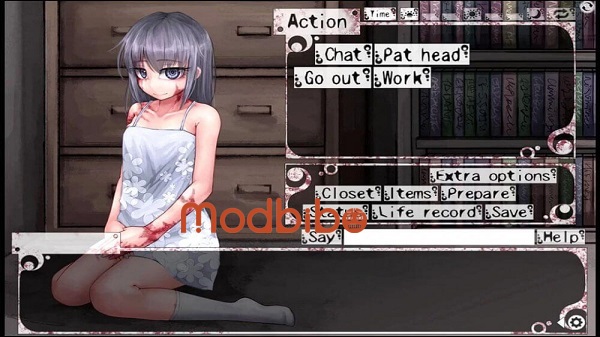
The gameplay revolves around a repeating daily cycle. Each day gives you opportunities to interact with Anya in different ways:
Talking with her
Giving items
Observing her behavior
Choosing dialogue responses
While this may sound simple, the depth comes from how these interactions evolve. What works one day might not work the next. The game subtly tracks your behavior and adjusts accordingly.
Emotional Feedback Instead of Stats
Unlike most simulation games, Teaching Feelings Anya avoids traditional metrics like health bars or relationship meters. Instead, it relies on emotional feedback.
You will notice changes through:
Facial expressions
Body posture
Tone of conversation
This forces you to pay attention in a more human way. There is no numerical guide telling you if you are doing well. You have to interpret her feelings yourself, which adds a layer of realism rarely seen in mobile games.
Choices That Actually Matter
The game’s decision-making system is one of its strongest features. There is no clear “correct” path.
A kind action might lead to unexpected consequences
A neutral choice could create emotional distance
Repeated behaviors can shape long-term outcomes
Because of this, players are encouraged to think carefully rather than simply choosing what seems best in the moment. The game rewards awareness and consistency, not just good intentions.
Character Development That Feels Real
Anya as a Dynamic Character
Anya is not static. She changes based on how you interact with her.
At the beginning, she is:
Quiet and withdrawn
Hesitant to trust
Emotionally guarded
As time goes on, she can become:
More open and expressive
Strongly attached to the player
Or even more distant, depending on your actions
This variability makes her feel less like a scripted character and more like a real person reacting to her environment.
The Player’s Role
You are not a hero in the traditional sense. There are no epic quests or grand achievements. Instead, you act as a caretaker with influence.
This role comes with an unspoken question: Are your actions truly helping Anya, or are they driven by curiosity, control, or something else?
The game does not judge you directly, but it reflects your behavior through Anya’s development. This creates a subtle but powerful form of self-reflection.
Visual Style and Atmosphere
Minimalist Art Direction
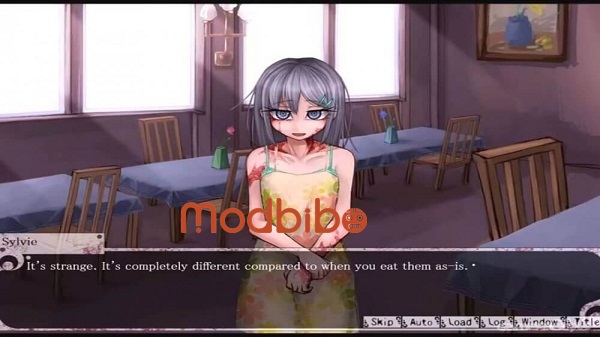
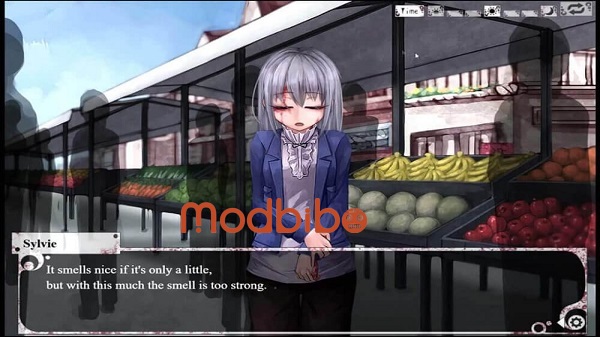
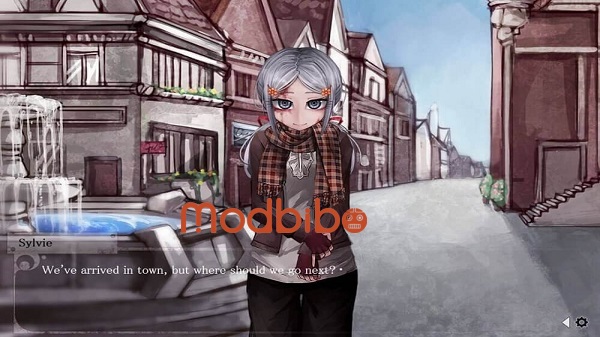
The game uses a simple 2D art style that prioritizes expression over detail. Backgrounds are clean and unobtrusive, allowing the focus to remain on Anya.
Visual highlights include:
Detailed facial expressions
Small changes in body language
Soft, muted color tones
This approach enhances the emotional tone without distracting the player.
Sound Design
The audio design is equally understated. Instead of dramatic soundtracks, the game uses:
Gentle ambient music
Minimalistic melodies
Strategic silence
These elements create a calm but slightly tense atmosphere, reinforcing the emotional weight of each interaction.
Advertisement
Themes That Go Beyond Typical Gaming
Teaching Feelings Anya explores themes that are rarely addressed in mainstream games:
Emotional vulnerability
Trust and dependency
Moral responsibility
The impact of power dynamics
These themes are not presented in a straightforward way. Instead, they emerge naturally through gameplay. The result is an experience that feels more like an interactive story than a traditional game.
Replay Value and Exploration
Despite its slow pace, the game offers strong replayability.
Reasons include:
Multiple branching story paths
Different character outcomes
Hidden interactions and dialogue
Each playthrough can reveal new aspects of Anya’s personality and backstory. Players who experiment with different approaches will gain a deeper understanding of the game’s narrative.
Controversial Aspects
It is important to acknowledge that Teaching Feelings Anya is not universally accepted. The game has sparked discussions due to its themes and character dynamics.
Some concerns include:
The sensitive nature of its subject matter
The imbalance of control between player and character
The emotional intensity of certain scenarios
At the same time, others argue that these elements are what make the game meaningful. They see it as a bold attempt to explore complex human emotions in an interactive format.
Regardless of perspective, it is clear that this is a game that requires maturity and critical thinking.
Strengths That Define the Experience
Strong emotional engagement that feels personal
Unique gameplay focused on empathy rather than mechanics
A flexible narrative shaped by player decisions
Thought-provoking themes that stay with the player
Limitations to Consider
Slow pacing may not appeal to all players
Limited variety in gameplay mechanics
Themes that may feel uncomfortable for some audiences
Final Evaluation
Teaching Feelings Anya APK is not a game for everyone—and it does not try to be. It moves away from traditional entertainment and instead offers something more introspective.
It asks players to:
Pay attention
Think carefully
Reflect on their choices
Rather than providing clear answers, the game presents situations that encourage interpretation. It is this ambiguity that makes it stand out.
In a market filled with fast, flashy experiences, Teaching Feelings Anya proves that games can also be quiet, emotional, and deeply thought-provoking. For players willing to engage with its themes, it delivers an experience that is both memorable and challenging in ways few games attempt.